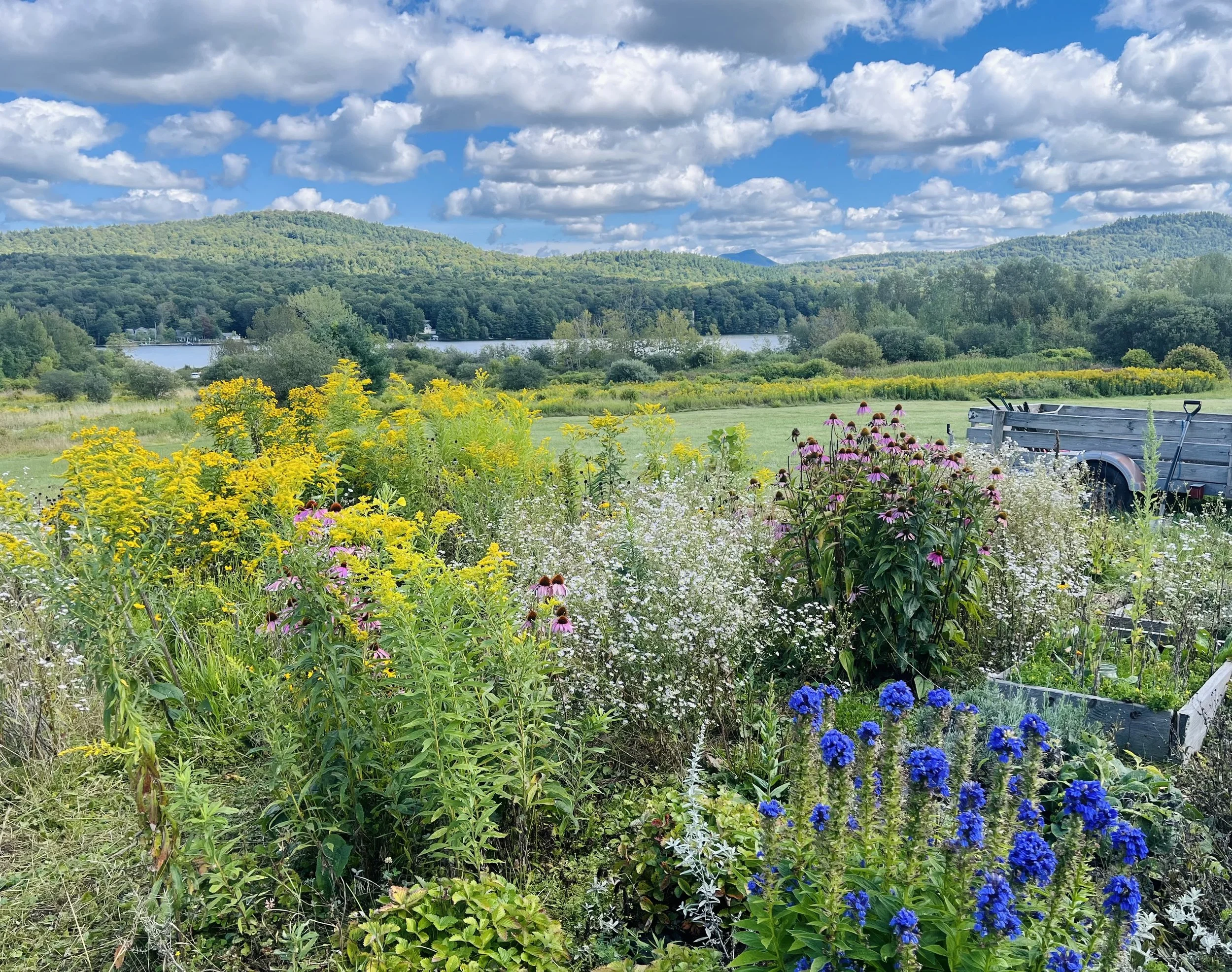
Naturalized vs. Native: Understanding the Difference in Vermont Gardens
If you spend time walking through Vermont’s forests, fields, or even your own backyard, you may notice plants that appear to belong, from wildflowers tucked along stone walls to grasses filling old pastures and shrubs alive with the hum of pollinators. Yet appearances can be deceiving: not all plants that seem at home in Vermont are genuinely native. Some are naturalized, having escaped cultivation and established themselves in the landscape, while others evolved here over millennia, forming intricate ecological relationships. Recognizing this distinction is essential for gardeners, landowners, and conservationists who aim to cultivate healthy ecosystems, support pollinator populations, and maintain biodiversity…
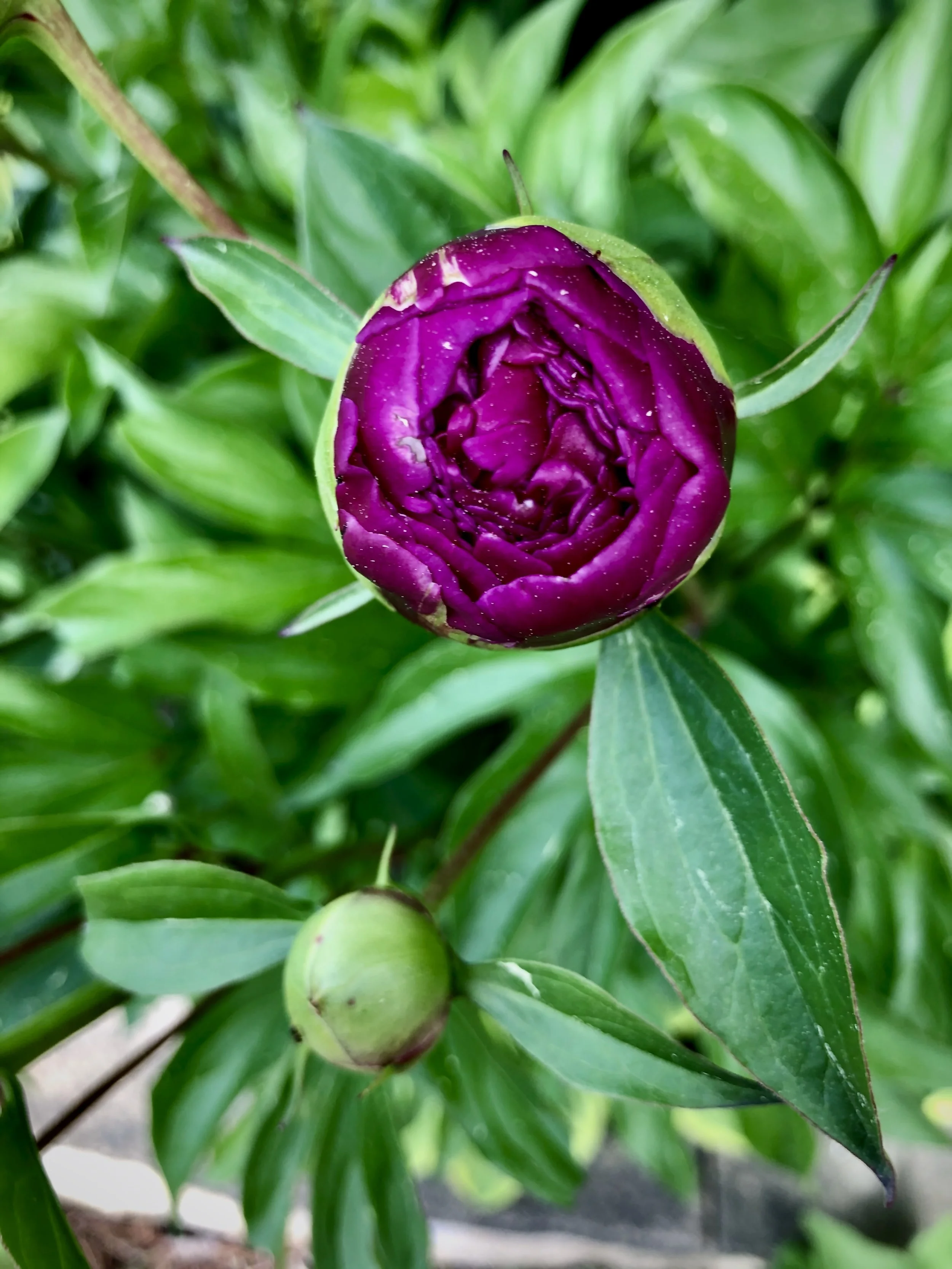
Fall Is the Time to Divide Your Peonies
Peonies are among the most celebrated perennials in the late spring garden, renowned for their fragrant, abundant blooms and impressive longevity. Their capacity to return year after year with increased vigor has made them a staple of both formal and cottage gardens. However, even these robust and long-lived plants require occasional intervention to maintain optimal health and floral performance. When peony clumps become overcrowded, when flowering diminishes, or when gardeners wish to propagate their plants to expand their own garden or share with others…
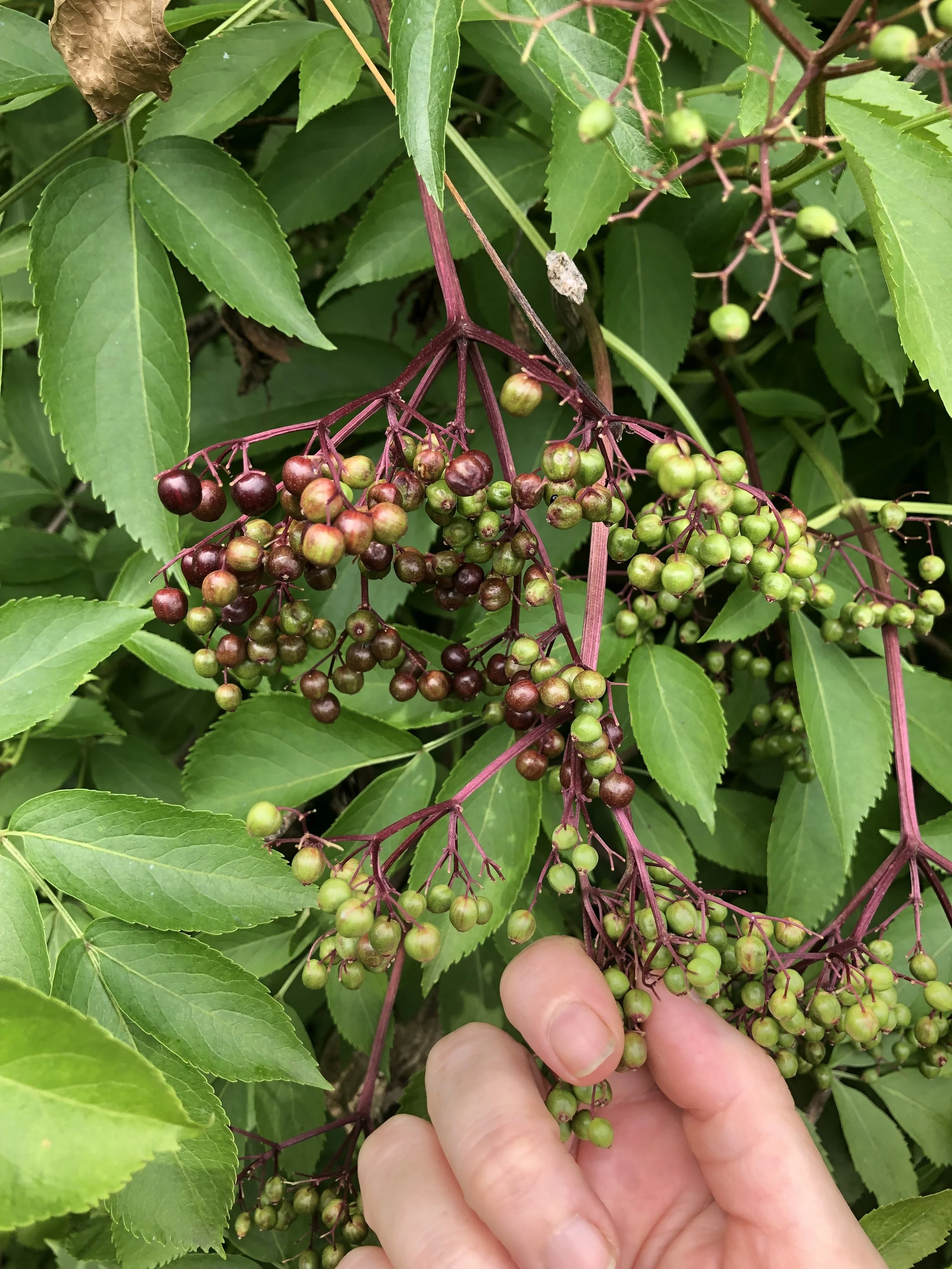
Common Shrubs to Prune in the Fall: A Vermont Perspective
In Vermont, autumn signals more than the vibrant turning of leaves and the culmination of harvest—it also offers an opportune window for judicious shrub maintenance. While conventional wisdom often recommends pruning many shrubs in late winter or early spring, there exists a select group of species that genuinely benefit from strategic fall pruning. The rationale lies in…
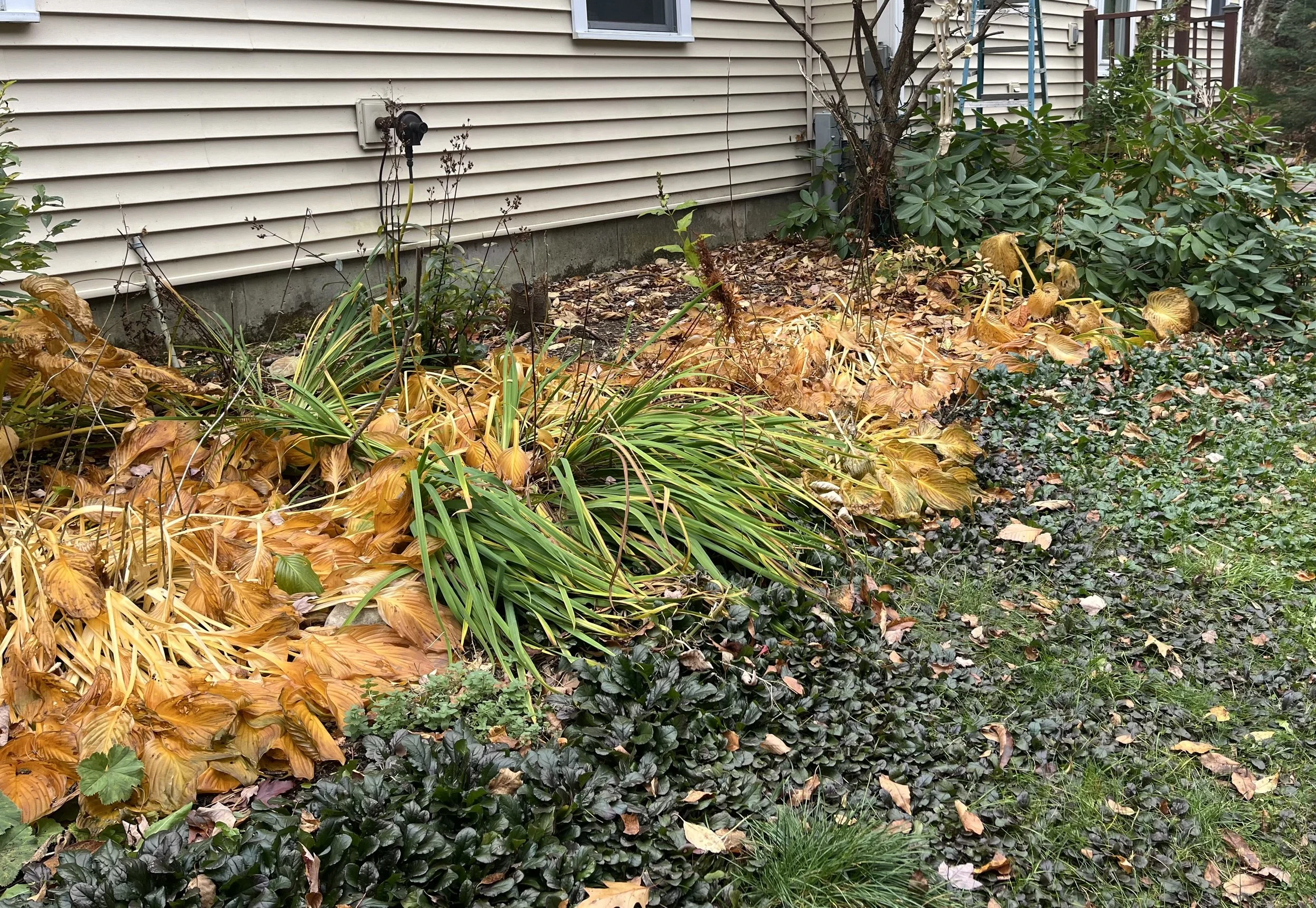
Rethinking Fall Clean-Up: Cultivating a Truly Pollinator-Friendly Garden
As autumn arrives, many gardeners instinctively reach for rakes, leaf blowers, and tidy-up checklists, following conventional advice to “clean the garden” by cutting back perennials, bagging leaves, and leaving behind neatly sculpted beds for winter. While aesthetically pleasing, these practices often undermine the very ecological systems we aim to support. For pollinators and beneficial insects, a pristine garden is less a sanctuary than a barren landscape. To genuinely create a pollinator-friendly habitat…
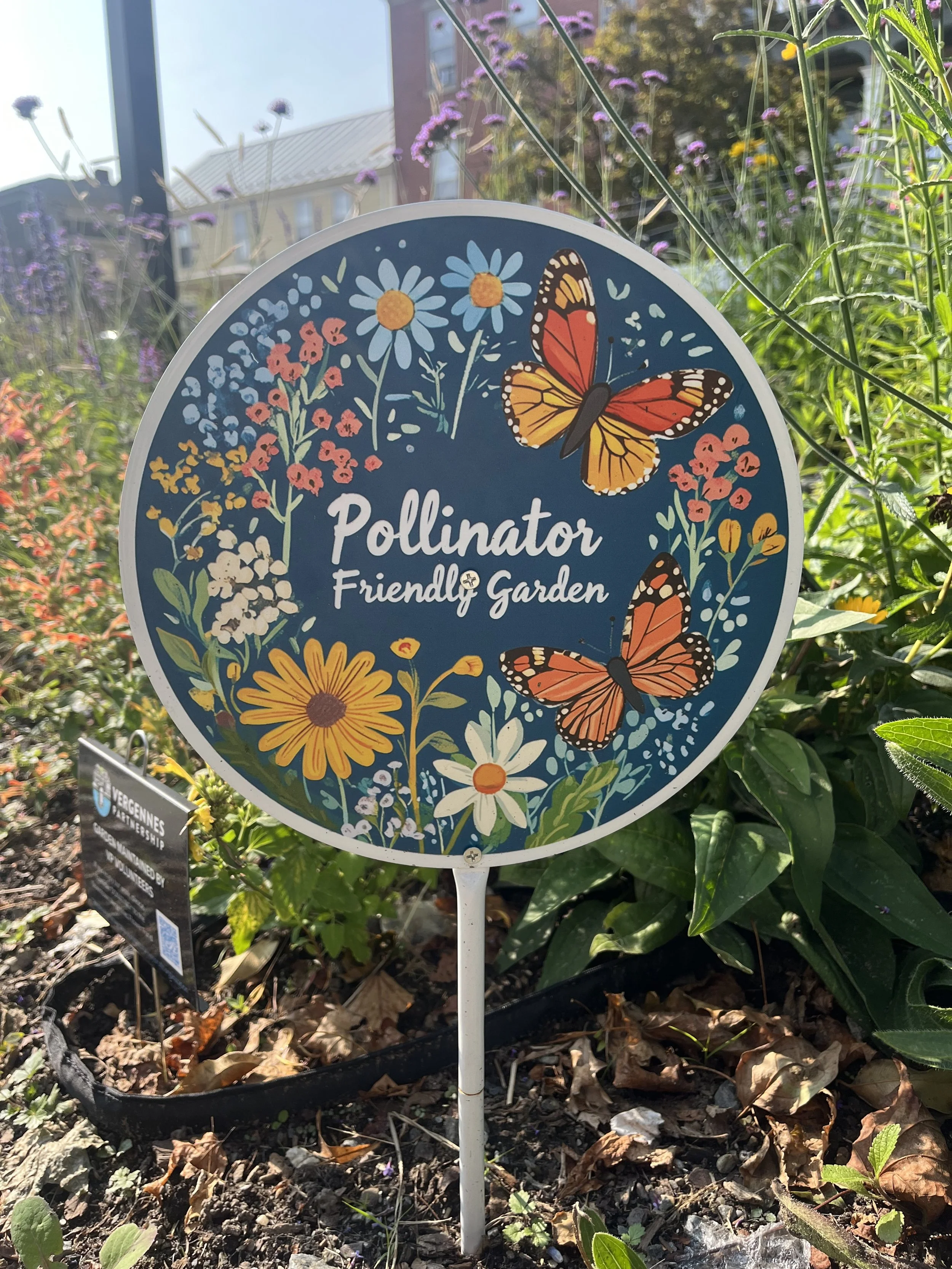
Why we Should Avoid “Pollinator-Friendly” and What to do Instead
The term "pollinator-friendly" is frequently used in marketing to promote plants that attract bees, butterflies, and other pollinators. However, this label often lacks a standardized definition, leading to potential misconceptions about the ecological benefits these plants provide. At its most basic, the label suggests that a pollinator can visit the plant. A bee or butterfly might land, sip some nectar, and move on. But just because they can doesn't mean it's good for them—or for the ecosystem…
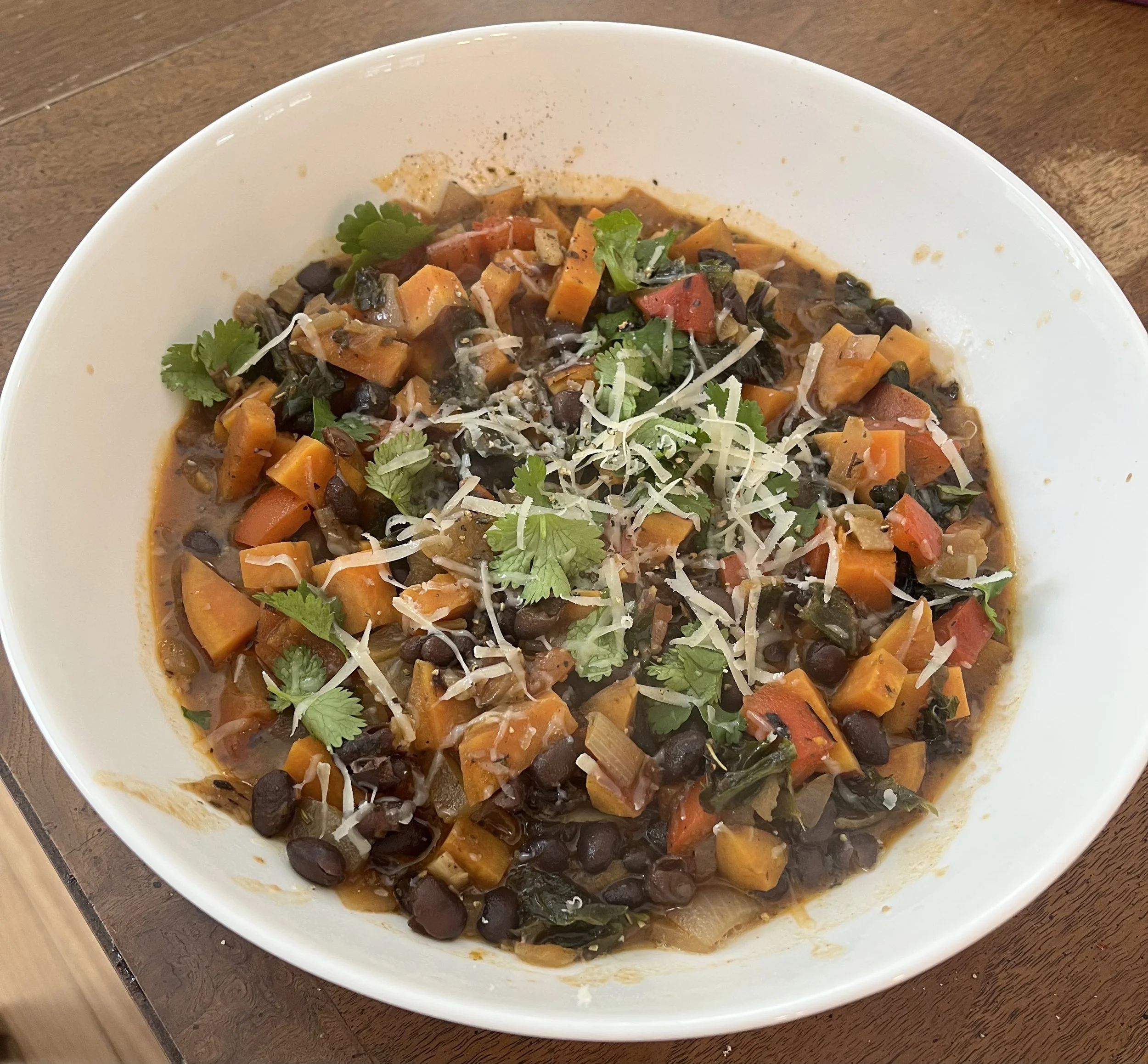
Iron and Calcium: What Really Happens When They Meet
Iron and calcium are two of the most important minerals in human nutrition, but they do not always work smoothly together. Iron is essential for making hemoglobin, carrying oxygen in the blood, and keeping energy levels stable. Calcium strengthens bones, regulates muscle contractions, and helps nerves function. The challenge is that the body often struggles to absorb both at the same time, and their interactions depend heavily on the form of iron present and the foods they are paired with.
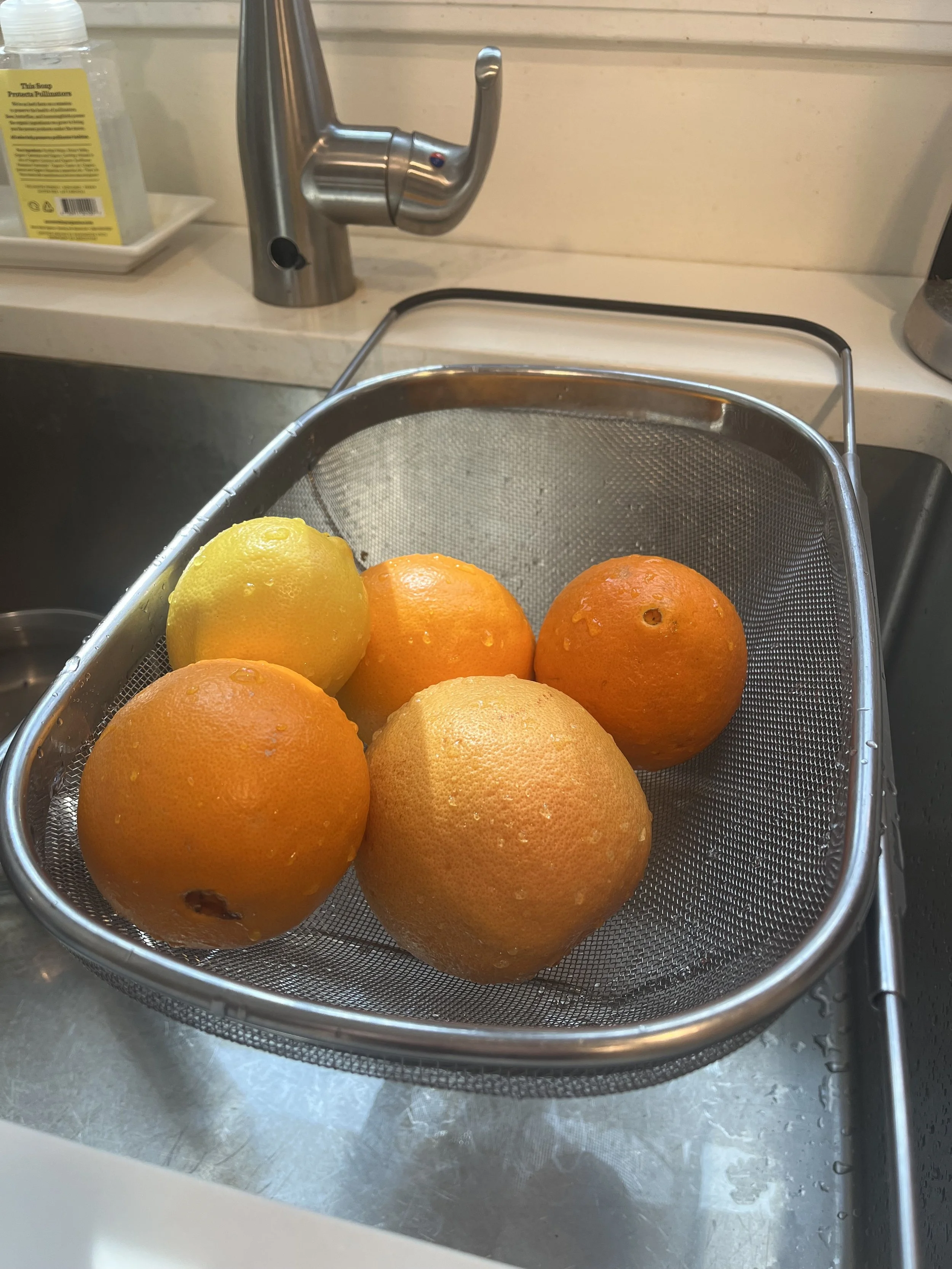
Why You Need Vitamin C with Plant-Based Iron
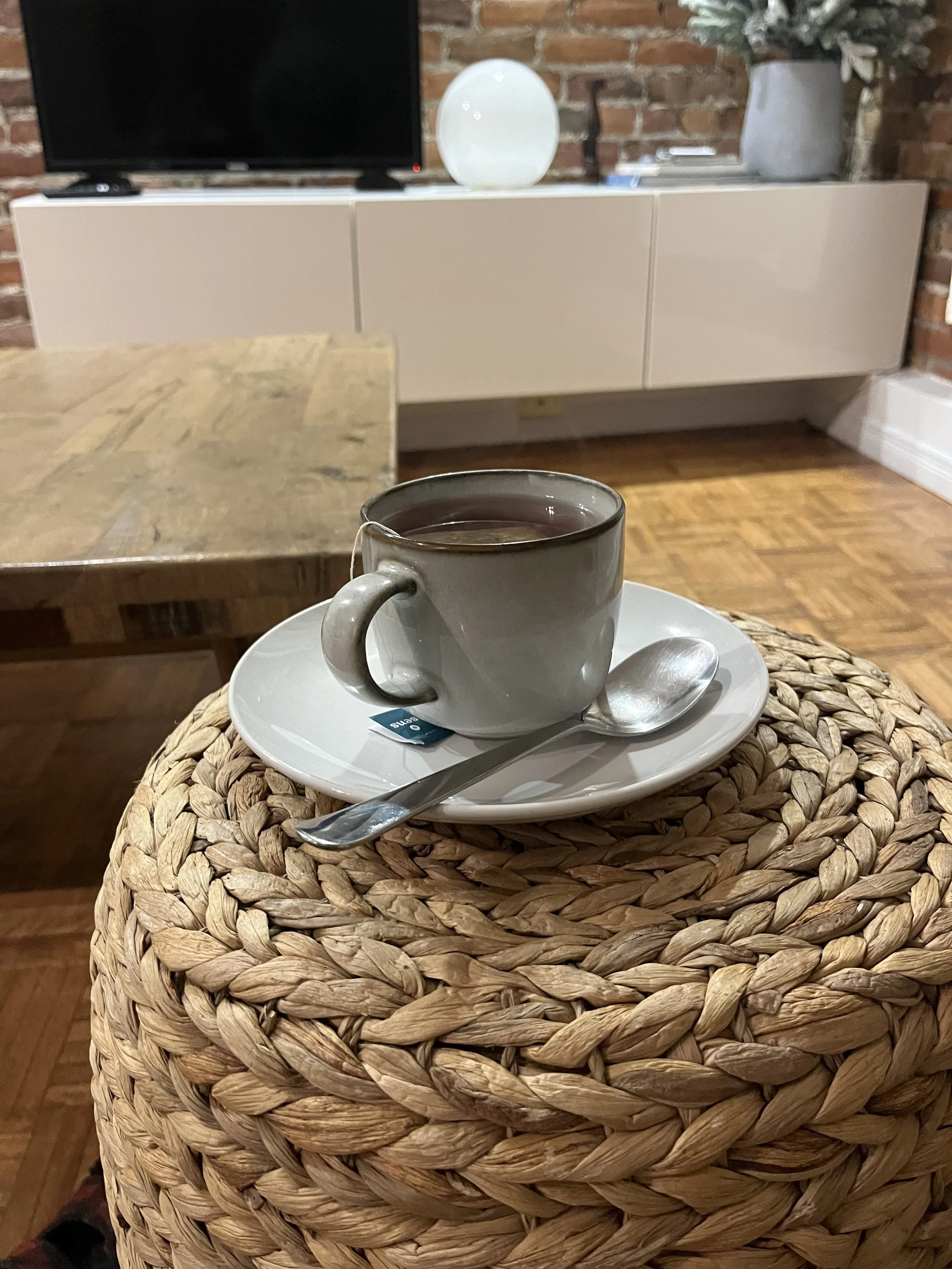
Coffee, Tea, and Iron: What You Need to Know
Coffee and tea are two of the most widely consumed beverages in the world. They provide comfort, flavor, and in many cases a welcome burst of energy. But if you are concerned about your iron status, it is worth understanding how these drinks interact with the mineral. The story has less to do with caffeine and more to do with the plant compounds that make coffee and tea so distinctive.
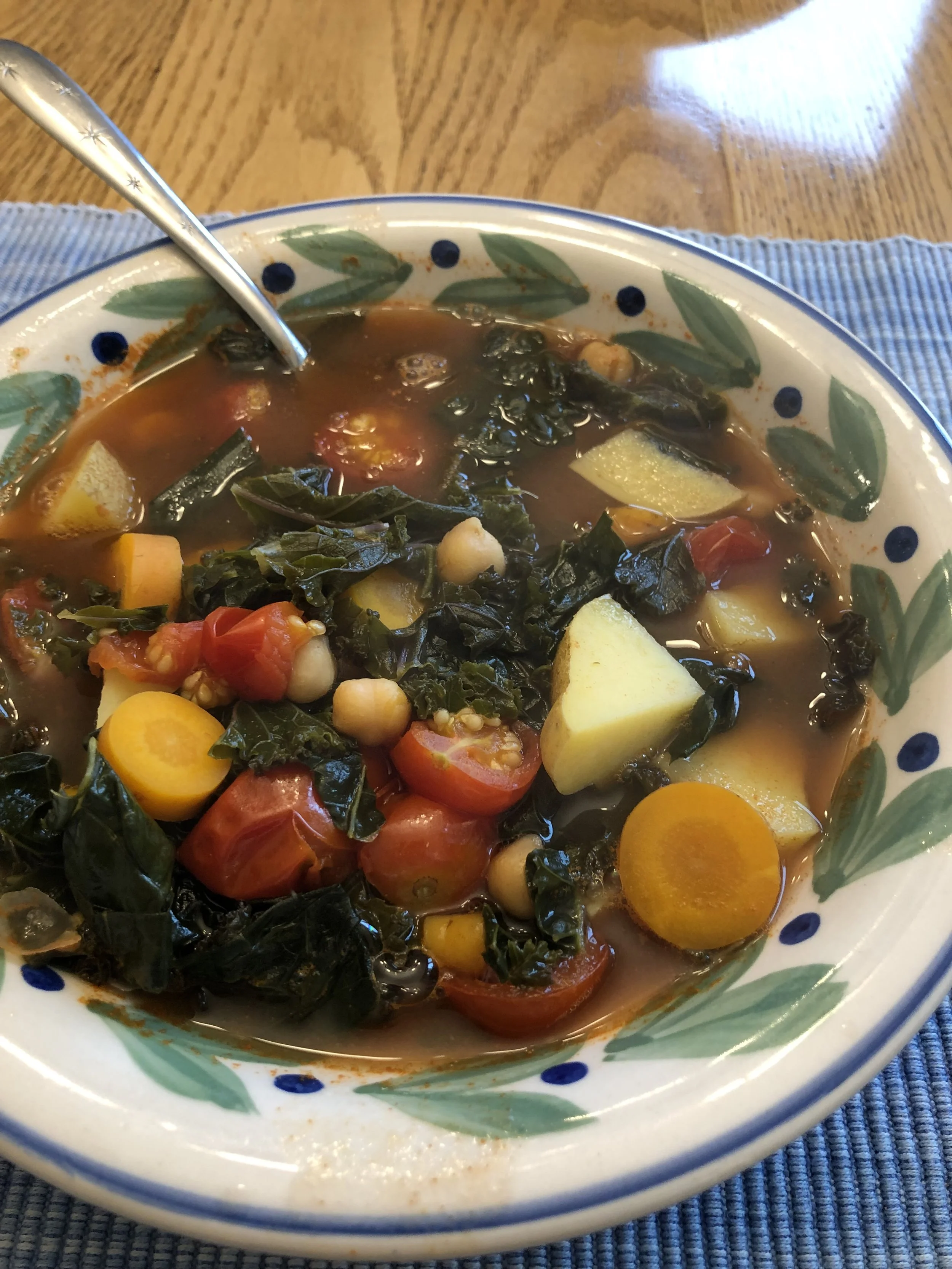
Why You Should Stop Eating Kale Raw and Start Cooking it Instead
Kale has earned its reputation as one of the most nutrient-dense vegetables you can eat. A single serving delivers vitamins A, C, and K, minerals like calcium and potassium, and a range of phytonutrients that support health from your skin to your heart. But there’s a twist many people overlook: cooking kale can actually make it more nutritious and easier to digest than eating it raw.
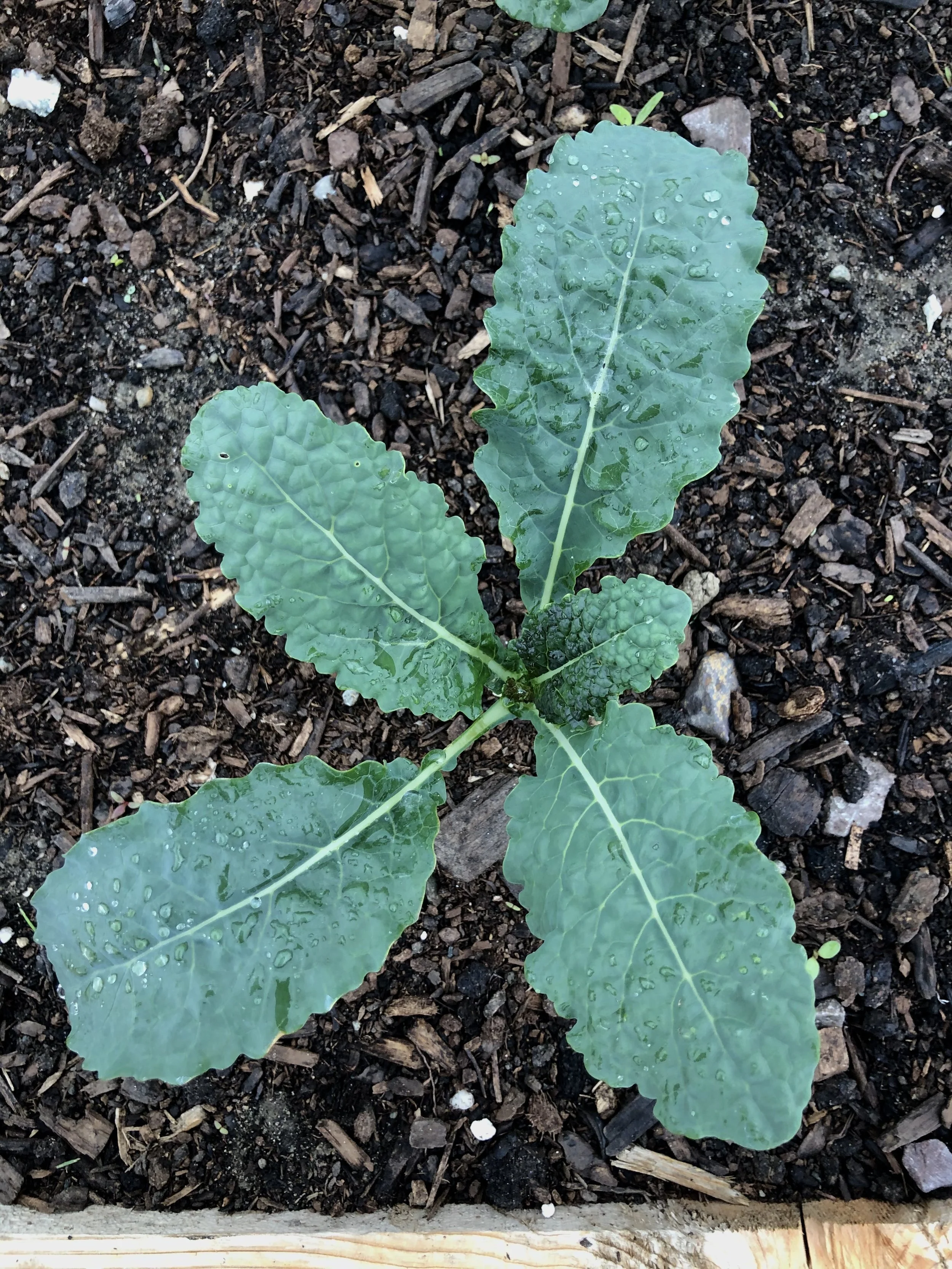
The Best Ways to Cook Kale — and How Each Method Changes Its Nutrition
Kale is a powerhouse green, but the way you prepare it changes how your body absorbs its nutrition. Some methods reduce oxalates and unlock minerals, while others enhance fat-soluble vitamins or preserve antioxidants. To make this practical, let’s look at how steaming, sautéing, roasting, eating raw — and using kale in soups and stews — affect its nutrient profile.
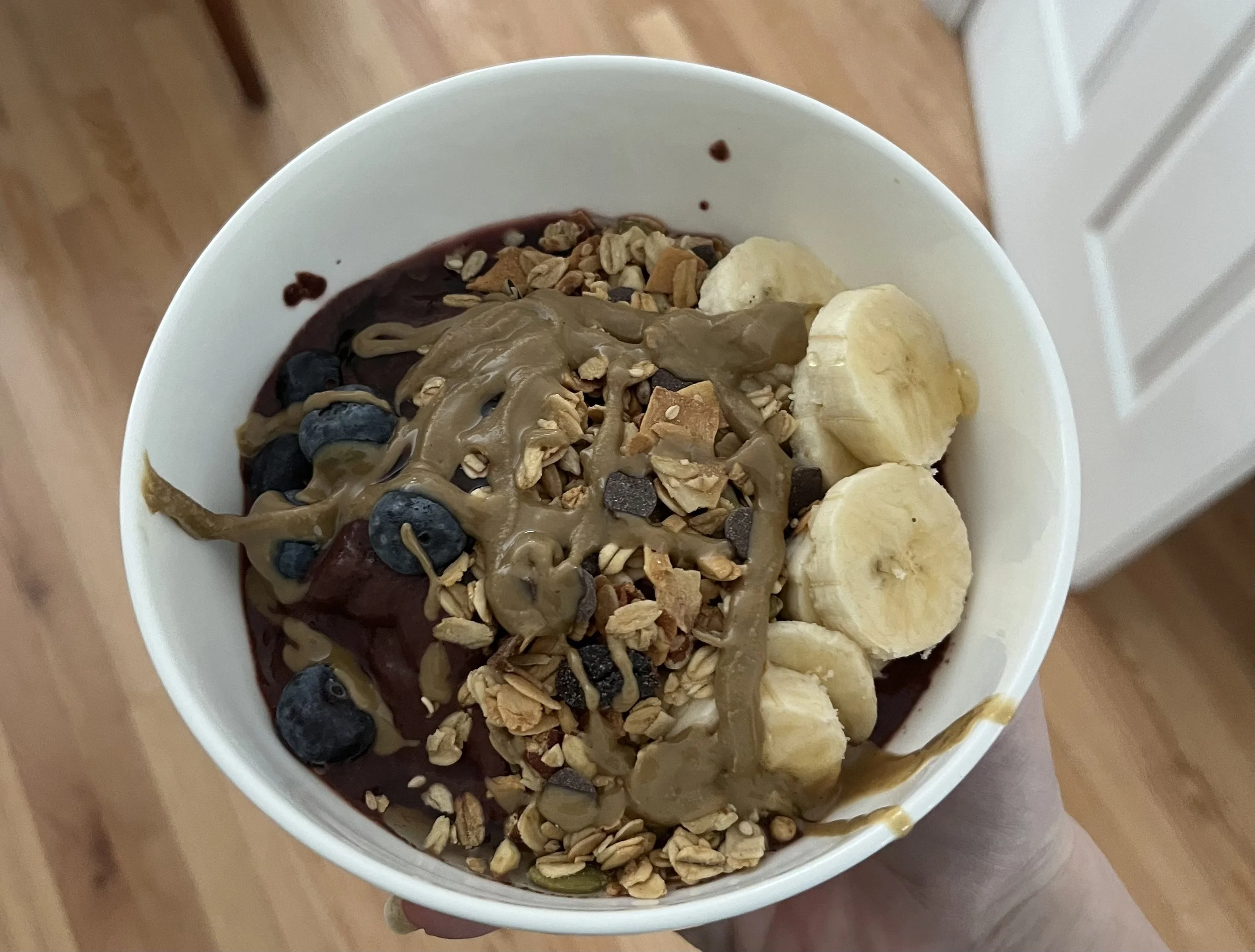
Why Seeds and Nuts Deserve a Daily Spot in Your Diet
When people think of superfoods, kale, salmon, or blueberries usually come to mind. Yet the quiet champions of nutrition are often the simplest: seeds and nuts. These small, nutrient-dense foods carry minerals, healthy fats, and antioxidants that are difficult to get in sufficient amounts without them. Making seeds and nuts a part of your daily diet is an easy and reliable way to strengthen your nutrition.
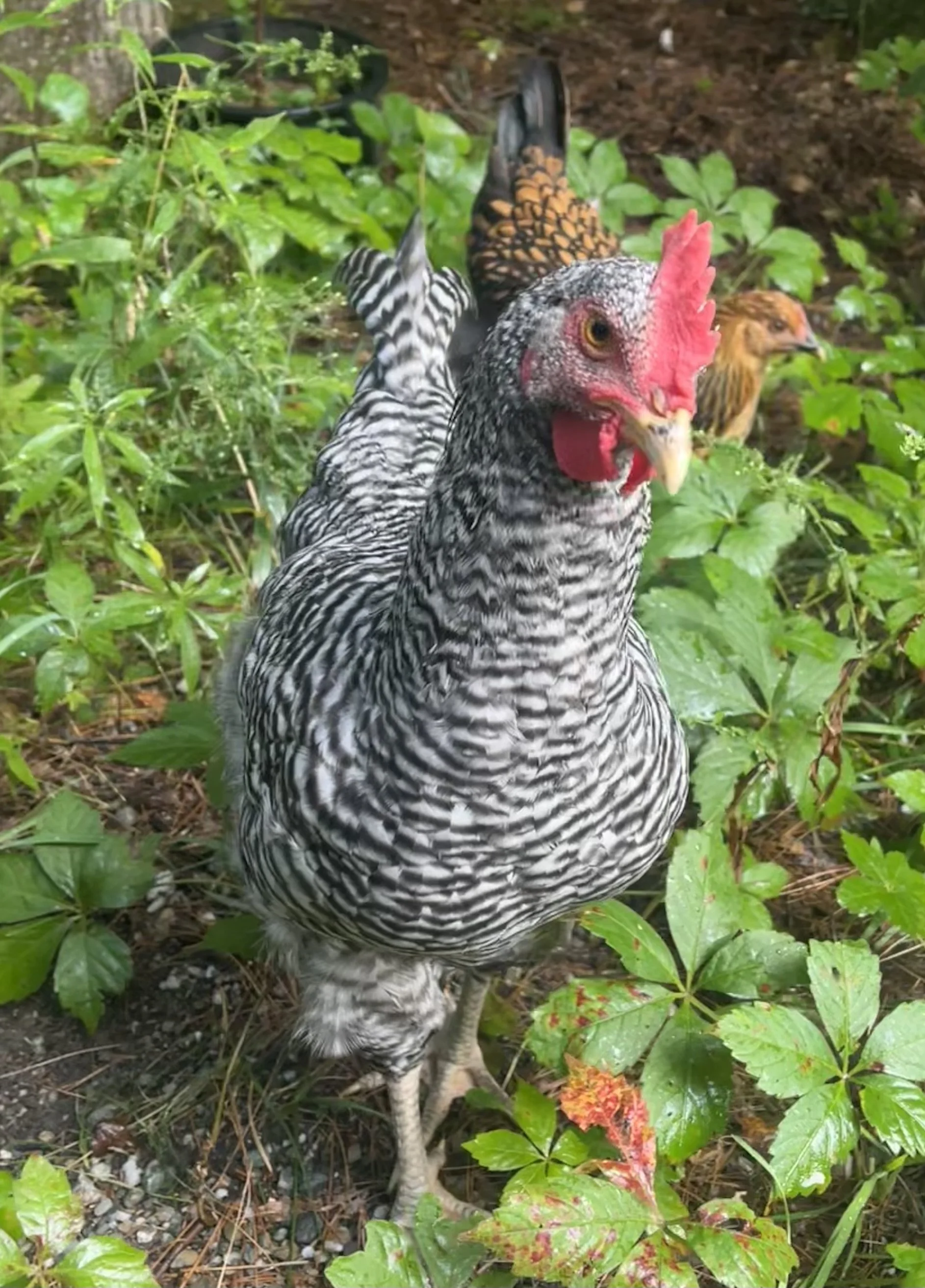
Chicken Liver: The Unsung Superfood and How to Make It Taste Great and why Organic is Imperative
Chicken liver is one of the most nutrient-rich foods you can eat, yet it is often overlooked because of its strong flavor and humble reputation. In reality, it is a true superfood, rich in vitamins and minerals that many people struggle to obtain in sufficient amounts. With the right cooking techniques and the right sourcing, chicken liver can become not only a powerhouse for your health but also a flavorful addition to your table. It is worth finding a palatable way to consume liver because it helps fortify your health. Liver and Onions is not the only way to prepare liver. In this post I will give you my very favorite recipe for liver, that even kids will eat!
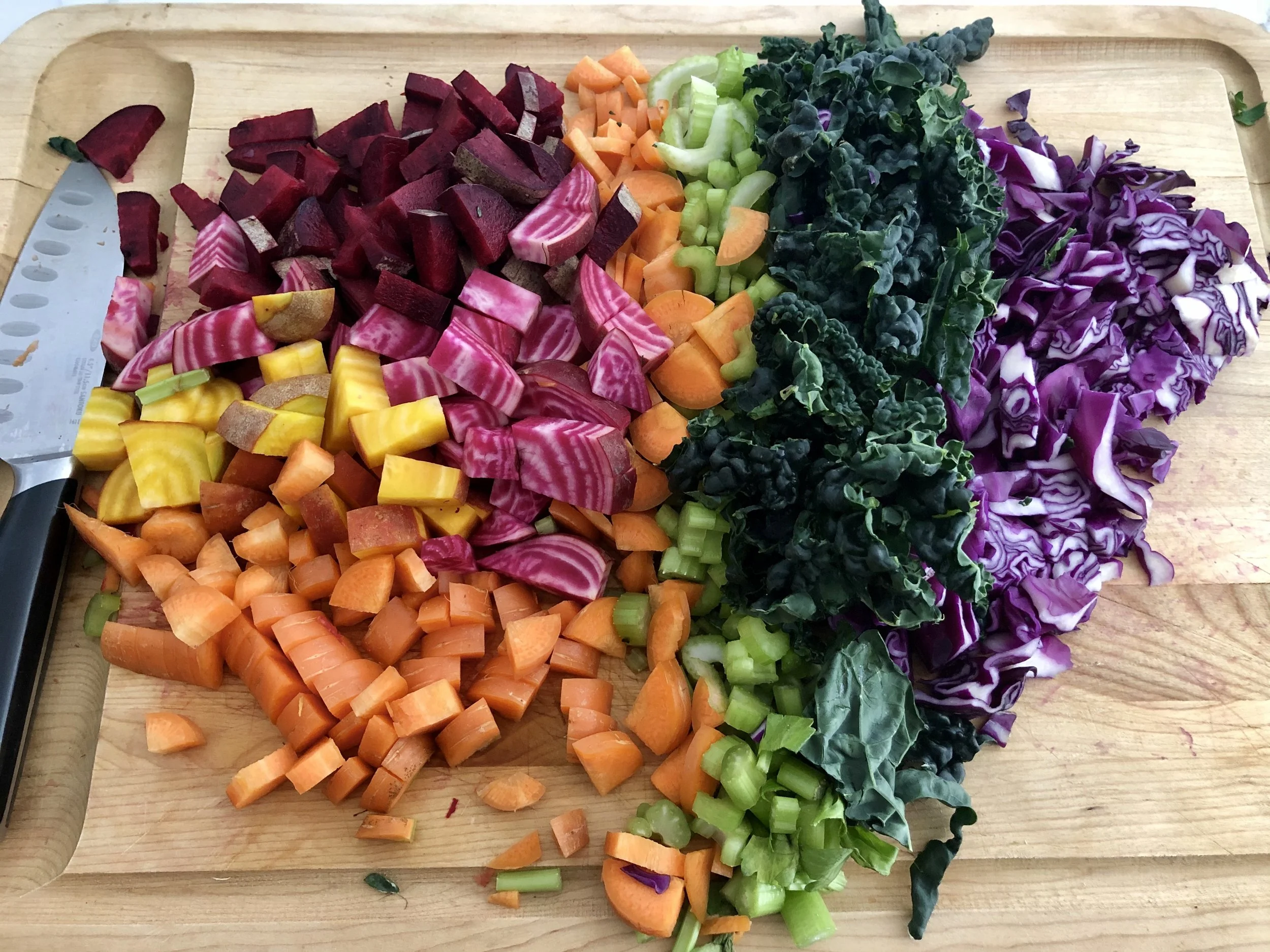
Nutrient Powerhouses: Foods That Pack a Day’s Worth in a Single Bite
Most foods give us a little of this and a little of that. A carrot offers beta-carotene, spinach delivers folate, and salmon brings omega-3s. But every so often, nature hands us a true powerhouse: a food that covers almost all of one nutrient’s daily requirement — or sometimes more — in a single serving. These “nutrient one-stoppers” are the quiet champions of nutrition, and they deserve a permanent place in your kitchen.
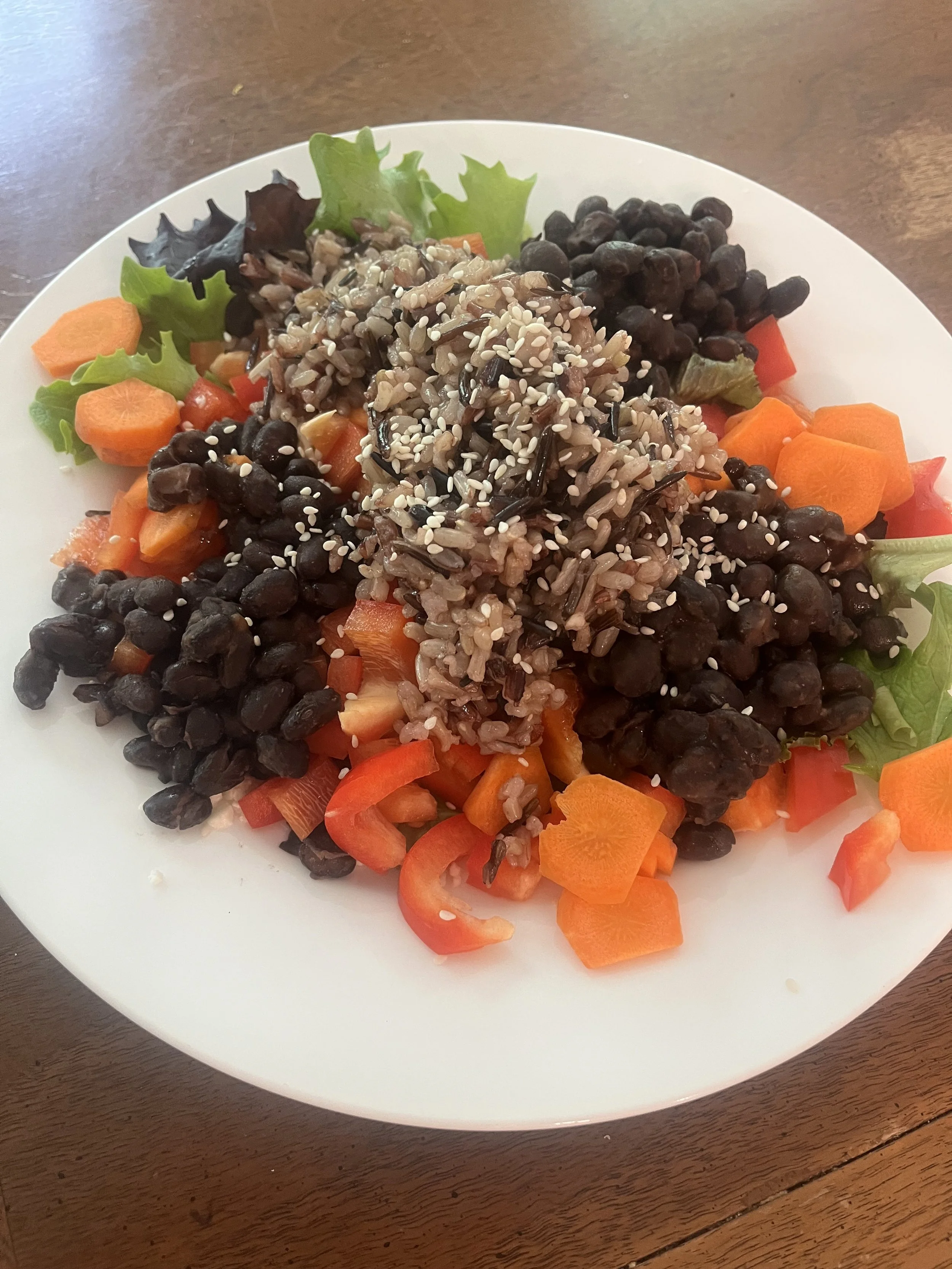
Stop Obsessing Over Trendy Diets + Macros—Micronutrients Are the Real Game-Changer
It’s easy to get caught up in trendy diets and macros—low carb, keto and protein, carbs, and fats. Many of us assume that hitting the “right numbers” will automatically make us healthier, stronger, or leaner. But here’s the truth: if your micronutrients—vitamins and minerals—are off, your macros won’t do much for you.
Yes, macros are key for a balanced diet and for keeping hunger at bay, but they don’t…
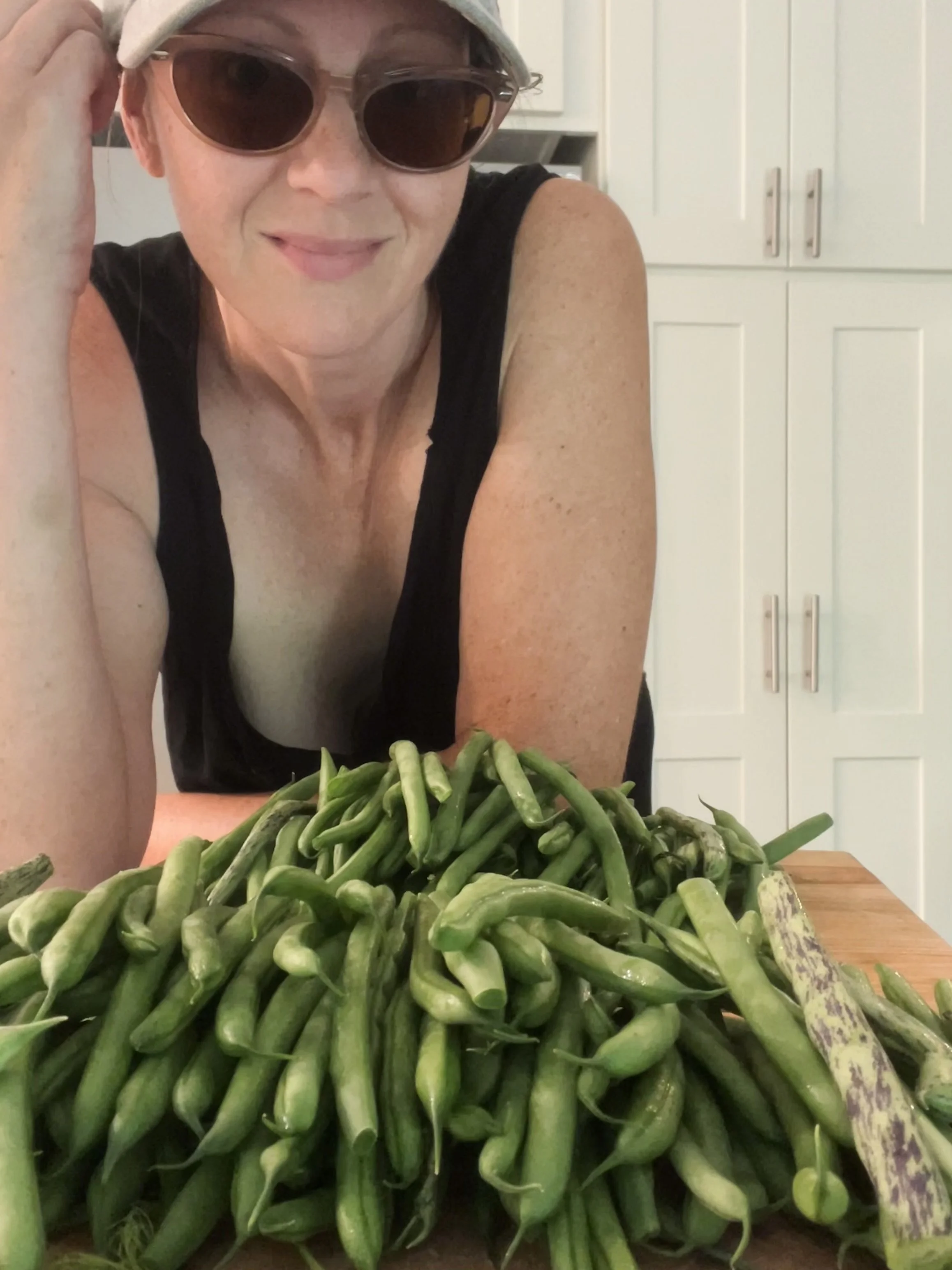
Taste of Absence: Why I Rested My Vegetable Garden After 5 Years
After five years of planting, harvesting, and constantly tending my vegetable beds, I decided to do something radical: I let the garden rest. No tomatoes, peppers, or kale. At first, the idea felt almost sacrilegious, how could I leave my beloved garden idle? Hopefully, the decision will reveal itself to be
Why Fall Is the Best Time to Start Taking Vitamin D Daily
As the days grow shorter and sunlight wanes, our natural production of Vitamin D drops significantly. Vitamin D, sometimes called the “sunshine vitamin,” is produced in our skin in response to UVB rays. In northern climates, the intensity of UVB drops sharply from late September onward, which means that even on sunny days, our bodies may not make enough. By October and November, most people are producing less than 20–30% of the Vitamin D they did during summer. This decline can…

Time to Get Back in the Saddle
As you may have guessed, I spend very little time online during the summer. Life in Vermont is short on warm days but rich in beauty, and I’ve learned that I need to guard that time carefully. If I’m not intentional, I can easily waste away those precious hours staring at a screen instead of soaking up the sun.
Truth be told, I have very little creativity or ambition to write during the summer months anyway. Instead, I treat this season as my time to replenish and recharge. Summer is when I refill my creative well, gathering new experiences and inspiration that later shape the words I put on the page.
Most of my days are spent outside….

How Diet Culture Became a Recipe for Nutrient Deficiency
In a world obsessed with thinness, “clean eating,” and wellness fads, it’s easy to assume that diet culture is helping us live longer, healthier lives. But in truth, it’s often doing the opposite. By gaining sovereignty over my food sources…

Let’s Rewild Together: Bringing Back Native Plants, One Clump at a Time
Above is a photo of a real Vermont Native Phlox. When you buy plants labeled “Native” often times they are technically Nativars (cultivars x native) because they have been bred for certain properties. Also, many times plants labeled as Native aren’t even native to Vermont but Native to the Northeast.
I found that I really had to do my research. Often plants are touted as “Pollinator friendly”, which is purely a marketing ploy. Many of these plants are far from native, which means they do not support local pollinators.
My garden beds do not include just natives, otherwise there wouldn’t be many plants in them at all. I continue to add more and more natives but that is a harder job than one might think. Sourcing true natives is a like finding a needle in a hat stack. There are small grass root nurseries but the big suppliers are hardly selling true natives, if they carry many at all.

Invasives Don't Care About Your Property Lines — But You Should!
Did you know that 80 percent of Vermont land is privately owned? That means it is truly up to us landowners to tackle the invasive issue. The photo above shows a thick stand of Japanese Knotweed that impedes a new building site.
When I first moved to Hinesburg, I had a pretty idyllic vision: wide-open countryside, chirping birds, and a landscape bursting with native Vermont wildflowers. What I didn’t expect? A full-blown invasion. And no, I’m not talking about zombies or aliens. I’m talking about invasive plants.
I quickly realized that…