Why I’m shopping for Seeds in the Middle of a Snowstorm—And why you should, too.
Time to pick out your seeds
As I sit by the window, watching the northeaster roll in, the world outside is buried under mounds of snow, the wind howling as if to remind me that winter is far from over. It’s mid-February, and yet, here I am, shopping for seeds.
Why? Because if you want to grow certain plants in your summer garden in the Northeast, some of the work starts now—long before the snow melts.
The Seeds You Need to Start Indoors
If you wait until it’s warm to start certain crops, you’ll never get a harvest before the first frost sneaks back in. Tomatoes and peppers are non-negotiable for early indoor starts. Unlike fast-growing crops that can be direct sown, tomatoes and peppers need time—and in Vermont, planting them straight into the ground just isn’t an option.
That’s why I’m doing my seed shopping now.
There are plenty of great seed companies out there, but lately, I’ve been especially impressed with Seed Savers Exchange. The plants I grew from their seeds last season were outstanding—vigorous, healthy, and true to their heirloom roots. Plus, their seeds are certified organic, which means I know they are non-GMO.
Then there are the herbs—the ones that need a long head start indoors. If you love having massive amounts of rosemary and lavender as much as I do, now is the time to get them going. These slow-growing perennials need 8 to 12 weeks to establish themselves before they can handle outdoor conditions.
If you can, take some time to browse the seed collection at a local garden nusery. It is a relatively inexpensive way to indulge in some retail therapy. Otherwise, order online and have them shipped directly to your house, stress free! Do yourself a favor though and stick to just a few packs of seeds. Vegetables that you know and love. Not fussy ones that might be difficult to grow, especially if you are a beginner. In the beginning, stick with easy to grow varieties that are excellent for a short season.As you advance and have sharpened the skills you will need then it is wise to branch out.
Starting Tomatoes, Peppers and Periennal Herbs inside now means that by summer, instead of struggling to keep up, your plants will be strong, mature, and ready to flourish.
Why Grow from Seed? It’s a No-Brainer.
Sure, you could wait and buy plants from the nursery in late spring—but you’ll pay the price. A single rosemary or tomato plant can cost $5 or more, and that adds up fast. Meanwhile, a pack of seeds with 30+ potential plants costs the same (or less). It’s wonderful when you support local nurseries . However, as you advance in skill, you will desire more control over the entire process, from seed to harvest.
Beyond saving money, growing from seed gives you control:
✔ You can choose unique heirloom varieties
✔ You avoid store-bought plants treated with unknown chemicals
✔ You grow exactly what you need, tailored to your space and climate
And let’s be honest—there’s something magical about watching tiny seeds transform into lush, thriving plants under your care. Don’t you think?
But Here’s the Catch—Carefu, don’t go Overboard.
I get it—the temptation is real. Seed shopping can quickly turn into seed hoarding. It’s easy to imagine an overflowing, abundant garden, but let’s be practical: you only have so much space. We all only have so much space. So, use it wisely. Every plant will require your care and attention so go for quality, not quantity when it comes to seedlings.
Indoors, I have a 4x2 grow tent and a foot-by-2.5-foot LED light—which might sound like plenty of room, but trust me, it fills up fast. And my outdoor garden? It’s big—but not limitless. Overcrowding leads to competition, disease, and unnecessary stress.
So here’s my advice:
✔ Buy only what you’ll actually plant and want to eat. One packet per variety is plenty. Coordinate with friends and share!
✔ Store your seeds properly. Keep them in their original packaging, inside a wooden box in a cool, dry place. Most will last for years.
✔ Don’t overplant. Unless you have space—or friends to gift them to, keep it realistic. Just think— the mature plant will need a whole foot of space in your garden. if you garden is 10x10, that means you only need 10 plants, which requires 10 seeds.
The Next Step? Get Ready to Start Those Seeds.
The hardest part? Narrowing down what to grow! This year, my picks are:
🌶 King of the North Pepper
🌿 Rosemary
💜 Lavender
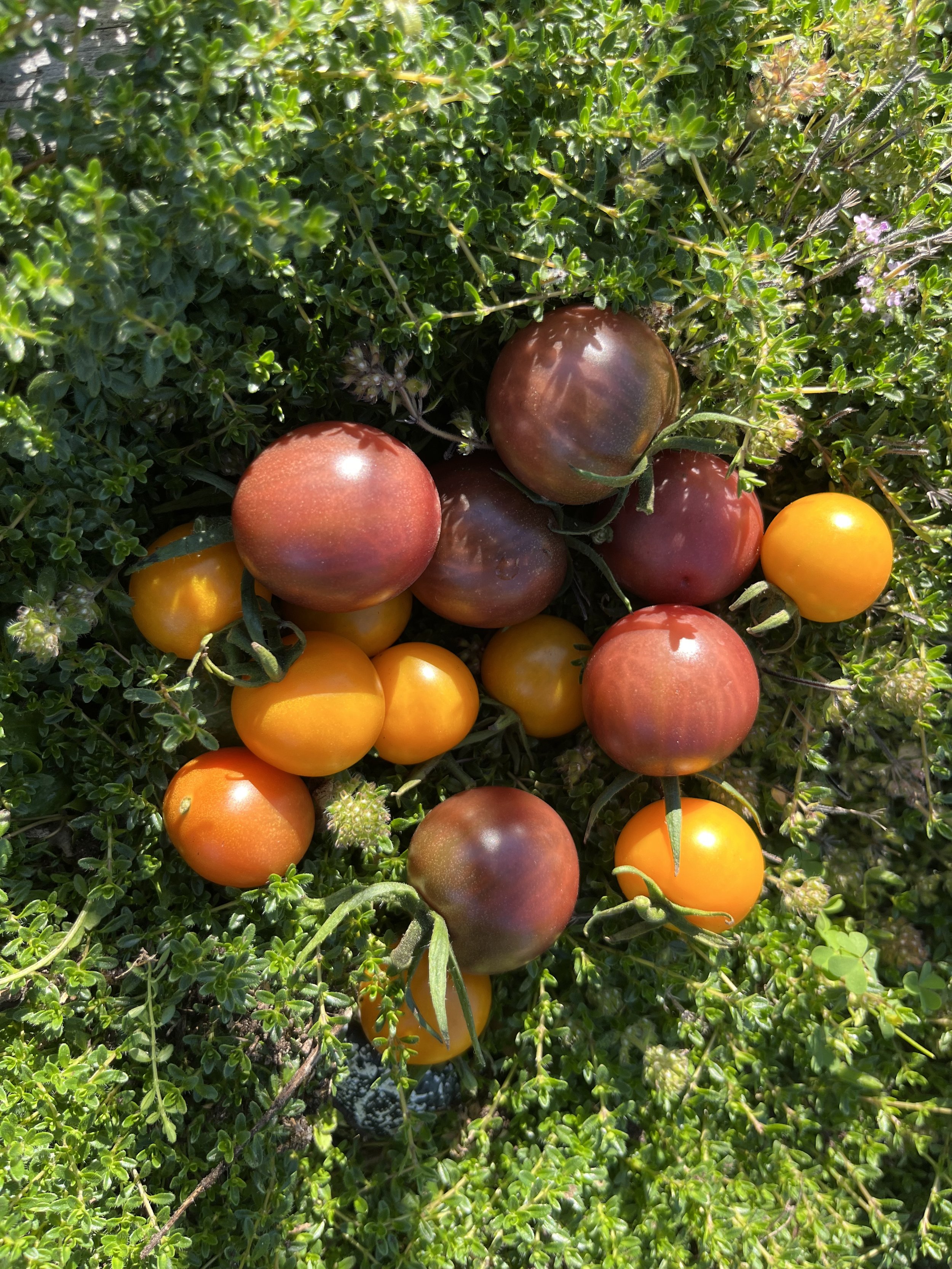
🍅 Japanese Trifele Black Tomato
Next week, I’ll be doing the dull and boring, yet so very necessary task of prepping my indoor space, and I’ll walk you through the process step by step.
If you haven’t gotten your seeds yet, now is the time. Because while the world outside is still frozen solid, spring has already begun—right here, under the grow lights.